
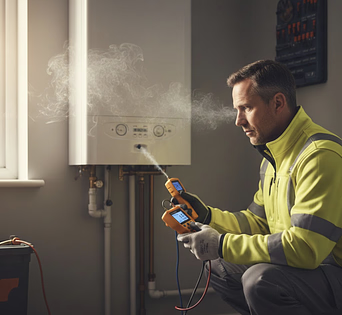
The hetas gas safe certification importance uk is a critical consideration for homeowners investing in a fireplace, stove, or gas appliance. While design, heat output, and energy efficiency often take priority, the most important factor is who installs and maintains the system. Certification directly affects safety, legal compliance, and long-term peace of mind.
Working with a certified installer such as The Wright Heating ensures your installation meets recognised safety standards and is carried out by a trusted trades person. Certification is not simply a badge. It represents verified installer qualifications, proven competence, and accountability within the heating and fireplace industry.
This article explores why HETAS and Gas Safe certification matters, how it affects homeowners, and what it means for safety, insurance, and legal compliance across the UK.
HETAS and Gas Safe are the two primary certification bodies governing solid fuel and gas appliance work in the UK. Each plays a distinct role in regulating installer qualifications and protecting homeowners from unsafe or non-compliant work.
Understanding HETAS and Gas Safe Certification
HETAS and Gas Safe are the two main certification bodies governing solid fuel and gas appliance work in the UK. Each plays a distinct role in regulating installer qualifications and protecting homeowners.
HETAS focuses on solid fuel, biomass, and wood-burning installations. Gas Safe Register oversees gas appliances, flues, and associated pipework. Both organisations set strict safety standards that installers must meet before they are allowed to work legally.
Certification demonstrates that an installer has received proper training, passed assessments, and continues to meet ongoing professional requirements. This structure protects homeowners by ensuring that work is completed to nationally recognised standards.
Why Certification Is a Legal Requirement in the UK
In the UK, it is a legal requirement for gas work to be carried out by a Gas Safe registered engineer. Similarly, solid fuel installations must comply with Building Regulations, which HETAS-certified installers are authorised to self-certify.
Choosing a certified installer helps ensure your fireplace or appliance complies with current regulations. For example, professional gas fire installation services carried out by a Gas Safe engineer confirm that ventilation, flue systems, and safety controls are correctly fitted.
Without certification, homeowners risk non-compliant installations that may lead to enforcement action, costly remedial work, or invalidation of warranties.
The Role of Installer Qualifications in Safety Standards
Installer qualifications form the foundation of safety standards across the heating and fireplace industry. Certified professionals are trained to identify risks, apply correct installation techniques, and follow manufacturer guidelines.
HETAS and Gas Safe qualifications ensure installers understand combustion principles, ventilation requirements, and correct flue design. These elements are essential for safe operation and efficient performance.
By choosing a certified installer, homeowners reduce the risk of faults that could compromise indoor air quality or system reliability. Qualifications also demonstrate ongoing professional development, ensuring installers stay updated with evolving standards.
How Certification Protects Homeowners and Properties
Certified installations help protect both occupants and property. Fireplaces and gas appliances generate heat and combustion gases, which must be managed safely. Incorrect installation can lead to structural damage, poor performance, or unsafe conditions.
HETAS and Gas Safe standards are designed to minimise these risks. Installers are trained to assess property suitability, check clearances, and confirm that supporting structures meet requirements.
Certification also means work is documented correctly, providing homeowners with official records that confirm compliance and professional accountability.
Certification and Its Impact on Insurance Coverage
Insurance providers often require proof that heating and gas appliances have been installed and maintained by certified professionals. Without this proof, claims related to fire or gas incidents may be challenged or declined.
Certified installers provide documentation that insurers recognise. This paperwork confirms that the work meets safety standards and regulatory requirements.
When homeowners invest in integrated designs such as media walls, working with professionals experienced in integrating a media wall with your fireplace helps ensure that both aesthetic and safety considerations are met without affecting insurance cover.
Compliance, Liability, and Legal Responsibility
Compliance with UK regulations is a shared responsibility between installers and homeowners. However, liability risks increase significantly when uncertified work is carried out.
If an incident occurs due to non-compliant installation, homeowners may face legal and financial consequences. Certified installers reduce this risk by ensuring all work meets required standards and is properly recorded.
HETAS and Gas Safe certification provides a clear line of responsibility, offering reassurance that work has been completed professionally and lawfully.
Choosing a Trusted Trades Person
Finding a trusted trades person is about more than reputation alone. Certification provides an objective measure of competence and professionalism.
A certified installer demonstrates commitment to quality, safety, and customer care. Businesses that proudly display their credentials, such as those detailed on their About Us page, show transparency and accountability.
Homeowners benefit from working with professionals who understand both technical requirements and customer expectations.
Comparing Certified vs Non-Certified Installations
The differences between certified and non-certified installations are significant and can affect safety, compliance, and long-term value.
|
This comparison highlights why certification is essential for responsible home improvements.
Long-Term Value of Certified Installations
Certified installations often deliver better long-term value. Proper installation supports efficient operation, reduces maintenance issues, and extends appliance lifespan.
Homeowners also benefit when selling their property. Documentation proving compliance with safety standards reassures buyers and surveyors, helping avoid delays or renegotiations.
Certification represents an investment in quality and reliability rather than a short-term cost saving.
Certification and Ongoing Maintenance
HETAS and Gas Safe certification also supports effective ongoing maintenance. Certified installers understand how systems should perform over time and can identify early signs of wear or inefficiency.
Regular servicing by qualified professionals helps maintain safety standards and ensures appliances continue to operate as intended. This proactive approach reduces unexpected repairs and supports consistent performance.
Building Confidence Through Professional Standards
For many homeowners, peace of mind is the greatest benefit of certification. Knowing that work has been carried out to recognised standards builds confidence in daily use.
Professional standards ensure clear communication, proper documentation, and reliable workmanship. This consistency helps homeowners feel secure in their investment and their living environment.
Supporting Industry Standards Across the UK
HETAS and Gas Safe certification also support wider industry standards. By choosing certified professionals, homeowners contribute to higher levels of safety and professionalism across the sector.
These organisations continuously update training and assessment criteria, ensuring installers remain aligned with modern technologies and regulations.
Conclusion
The importance of HETAS and Gas Safe certification in the UK extends far beyond regulatory compliance. Certification directly impacts safety standards, insurance validity, legal responsibility, and long-term value.
By working with qualified installers, homeowners protect their property, their investment, and the people who live there. Certified professionals provide accountability, expertise, and peace of mind that uncertified work simply cannot offer.
If you are planning a new installation or need expert advice, professional support ensures every detail is handled correctly.
For trusted guidance and certified services, Contact Us to discuss your requirements.
FAQs
Why is HETAS and Gas Safe certification important in the UK
It ensures installations meet legal requirements, safety standards, and recognised industry regulations.
Can uncertified installation affect insurance claims
Yes, many insurers require proof of certified installation to validate claims.
Do certified installers provide compliance documentation
Certified professionals issue official records confirming work meets UK regulations.
Is certification required for all gas appliances
Yes, gas work must legally be carried out by a Gas Safe registered engineer.
How do I verify an installer’s certification
Homeowners can check credentials directly through HETAS or the Gas Safe Register before work begins.


